Top Rated
St Pete Wellness Med Spa
★ 5.01,925 reviews·St. Petersburg
- Botox & Neurotoxins
- Dermal Fillers
View clinic →Request consult
Service
Search 156 Laser Hair Removal providers in Tampa Bay, ranked by rating and review count. Page 1 of 3.
Laser hair removal uses concentrated light aimed at pigment in the hair to heat follicles and reduce future growth over a series of visits. It is aimed at long-term hair reduction, not a guarantee of total removal. Plans are often discussed as multiple sessions weeks apart; your plan may differ. Pricing is usually per area and often sold as a package. This directory compares Tampa Bay clinics and does not perform laser treatments.
| # | Clinic | Neighborhood | Rating | Reviews | Badge |
|---|---|---|---|---|---|
| 1 | St Pete Wellness Med Spa | St. Petersburg | ★ 5.0 | 1,925 | Top Rated |
| 2 | The Aesthetics Lab | South Tampa | ★ 5.0 | 395 | Top Rated |
| 3 | iConcierge Med Spa | — | ★ 5.0 | 394 | Top Rated |
| 4 | Nüde Laser Hair Removal & Aesthetics | South Tampa | ★ 5.0 | 393 | Top Rated |
| 5 | Viso Juvé | South Tampa | ★ 5.0 | 384 | Top Rated |

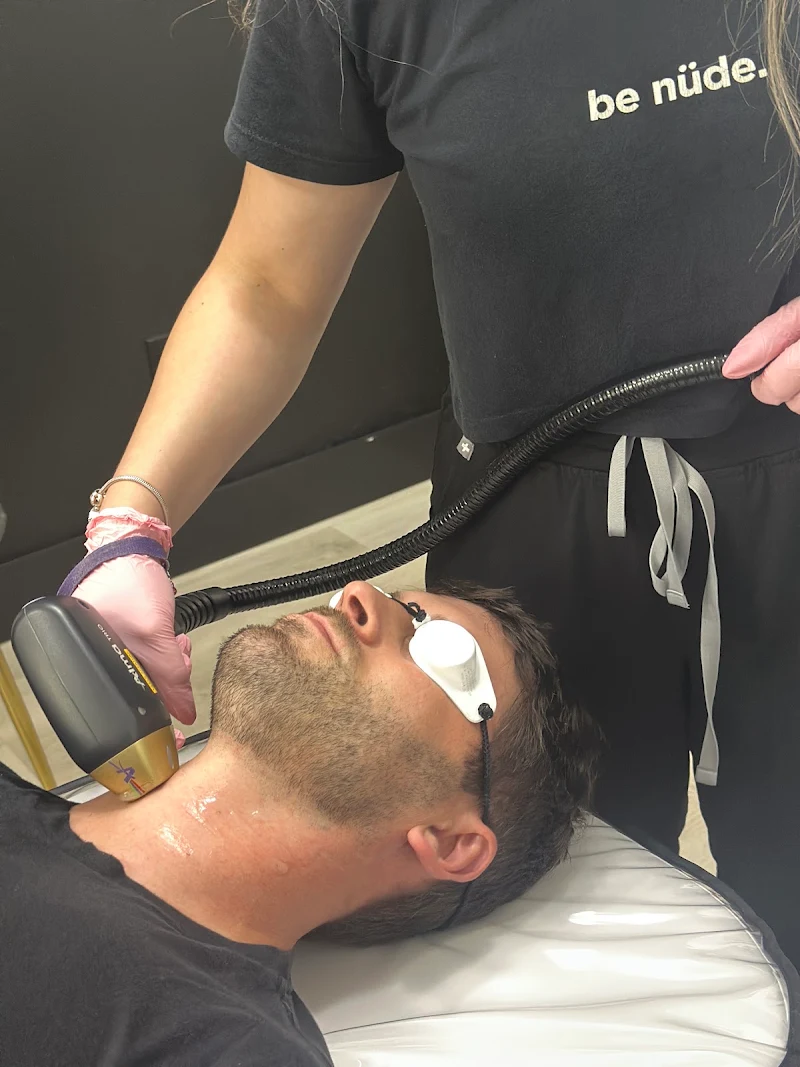



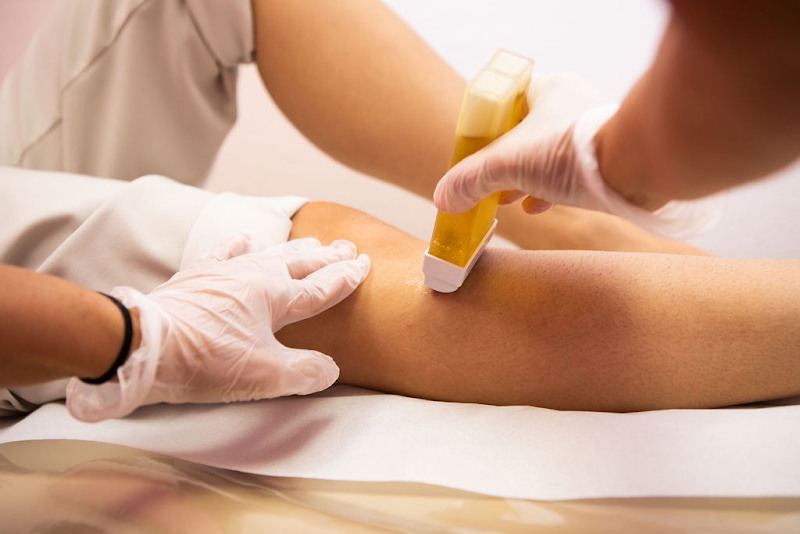
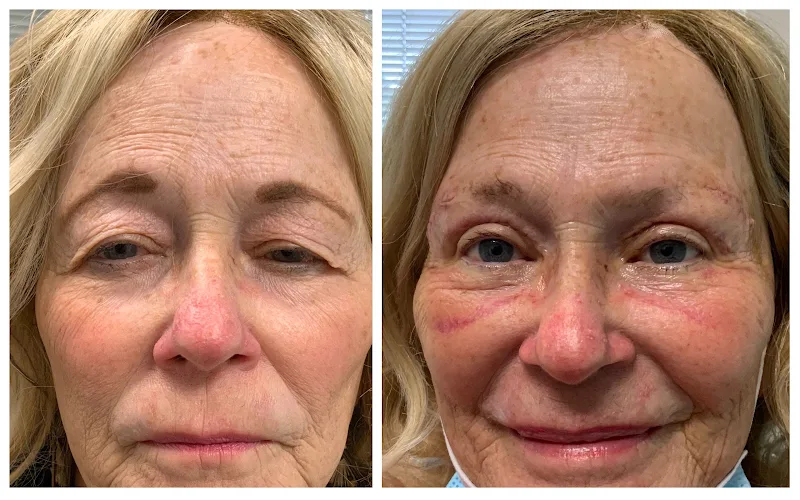


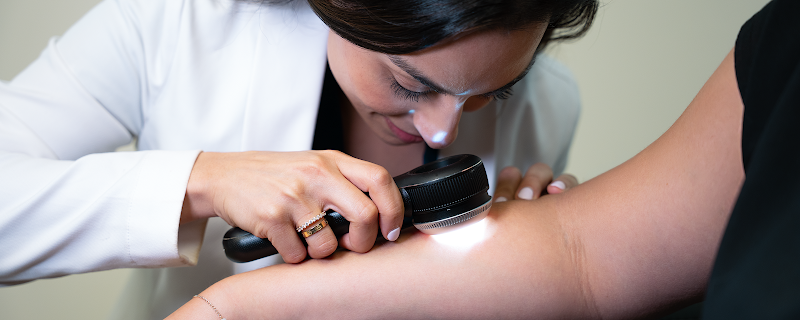


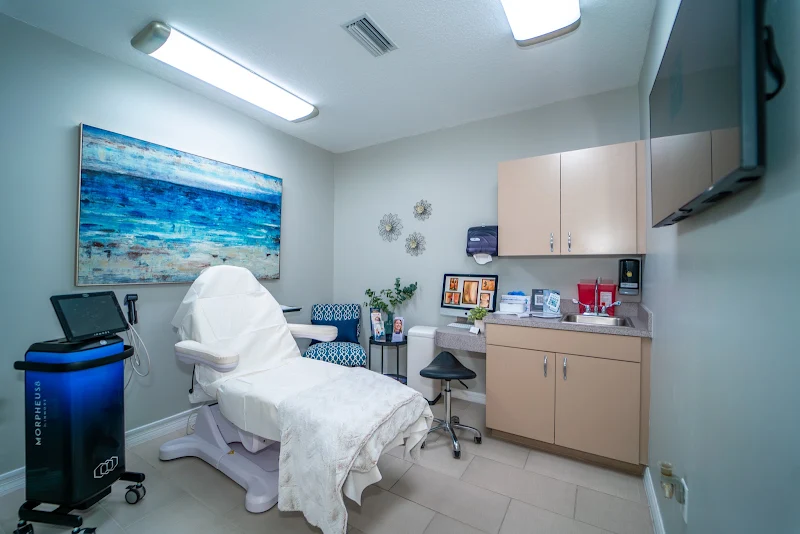













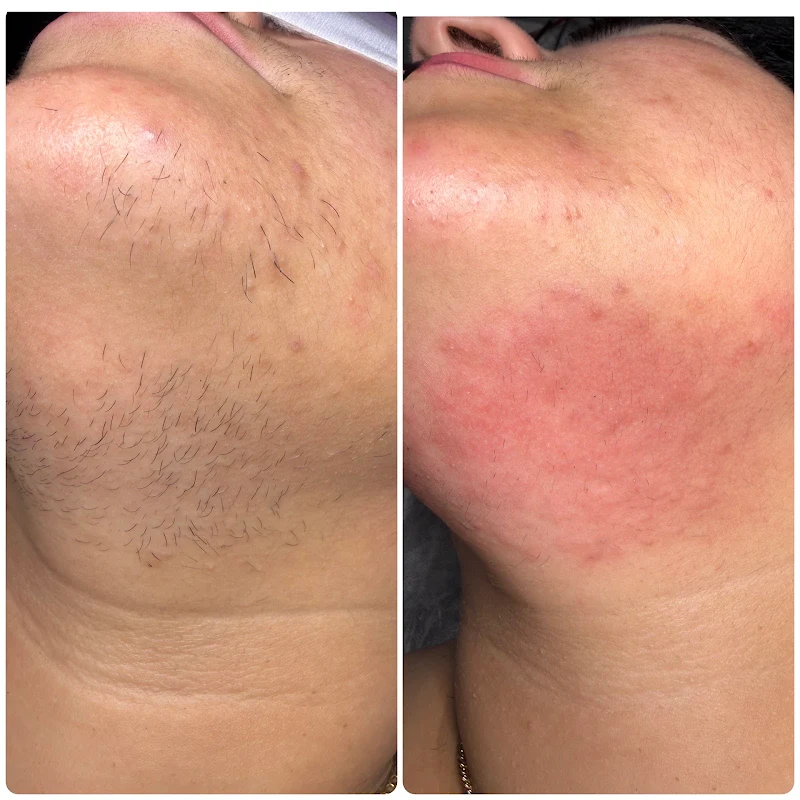


Laser hair removal is a series of light-based treatments intended to reduce hair growth in a named area — underarms, a bikini or Brazilian area, legs, back, chest, face, and so on. Clinics and device makers usually describe the goal as long-term reduction. That is not the same sentence as "every hair is gone forever." Hormones, hair color, an unfinished series, and new growth over time are all reasons practices discuss maintenance visits. Ask how the clinic defines success for your area.
This is different from laser skin treatments, which target tone, pigment, or texture rather than hair. Do not book a photofacial when you want hair reduction, or the reverse. Body contouring is a different category again.
Tampa Med Spa Finder does not operate lasers and does not clear you as a candidate. The list on this page is a way to compare clinics that appear in our laser hair removal category. Open a profile before you assume a particular device is on site.
Devices emit light absorbed by pigment in the hair. Only hairs in certain growth phases respond strongly at a given visit, which is why plans are a series. Practices often discuss several sessions spaced weeks apart. Your count may differ. A number on this page is not your prescription.
Common device families in aesthetic practice include diode, Alexandrite, and Nd:YAG. They are not interchangeable for every skin tone and hair type. Ask which device the practice would use for you, who operates it, and how they assess skin type before treatment. This directory does not recommend a device.
Prep and aftercare — shaving versus waxing or plucking between visits, sun exposure, and topical products — should come from the treating practice in writing. Do not use this page as your personal protocol.
Marketing often distinguishes long-term hair reduction from total removal of every hair. Maintenance years later is commonly discussed. Ad session counts are not your course, and this page states no percent reduction.
Coarse, dark hair on lighter skin is often described as responding more readily because the laser is aiming at pigment contrast. That is general background, not a guarantee for any reader, and it is not a reason to skip a consult if your hair or skin is different. Very light, gray, or white hair is often discussed as a harder match for pigment-seeking lasers. Ask the clinic directly whether you are a candidate.
Visit length varies by area and device. Many people describe brief discomfort during pulses. Practices often use cooling or other comfort measures — ask what they use. Sensation is not guaranteed to feel a certain way.
Pricing is typically per area, and many clinics sell packages that change the math versus paying one session at a time. This page does not list dollar amounts or a Tampa average. There is no survey number here to quote.
Compare written quotes on the same lines:
A per-session teaser that will not convert to a package total is not comparable to a clinic that itemizes the series. "Unlimited" offers need extra questions about time per visit, caps, and what happens when the term ends. A price far below the other written packages on your shortlist is a reason to slow down and ask who operates the laser and which device it is.
We do not republish individual Tampa clinic menus on this hub. Compare two or three written plans, then come back to this page to compare laser hair removal providers.
Use the list above as a shortlist, not a winner's podium. Featured partners are labeled and pay for placement. Top Rated is automatic from rating and review count. Read how rankings work. Then judge the consult.
Ask who fires the laser, what training they have, and who provides medical oversight when the practice uses it. Florida scope details are not restated as law on this page; verify with current board guidance and with the clinic. Ask whether a test spot or a skin assessment is part of intake, especially if you have a history of pigment change, keloids, or recent sun.
Neighborhood pages that can narrow the drive include South Tampa, St. Petersburg, Clearwater, Westshore, Town 'n' Country, Brandon, and Westchase. We do not claim one of those areas is cheaper. Compare the contracts.
For a broader vetting list, see how to choose a med spa in Tampa. If you are choosing a practice for several services, the med spa hub shows full-service clinics as well.
Practices often discuss a series of visits spaced weeks apart, because hair grows in cycles. Your plan may differ. Coarse, dark hair on lighter skin is often described as responding more readily — that is general framing, not a guarantee.
Laser hair removal is generally marketed as long-term reduction, not a guarantee of zero hair forever. Some regrowth over time is commonly discussed, and maintenance may be offered. Ask the practice how they explain permanence for your plan.
Suitability is individual. Some devices, including Nd:YAG, are often discussed for darker skin tones in trained settings. That does not mean every clinic or every person is a candidate. Ask which device they would use, how they assess pigment-change risk, and whether a test spot is part of intake.