Top Rated
St Pete Wellness Med Spa
★ 5.01,925 reviews·St. Petersburg
- Botox & Neurotoxins
- Dermal Fillers
View clinic →Request consult
Practice type
A clinic focused on the health and appearance of skin, offering medical-grade facials, peels, and often laser and injectable treatments under medical oversight.
Listed as “Skin care clinic” on Google. Ranked by rating and review count; featured partners first.

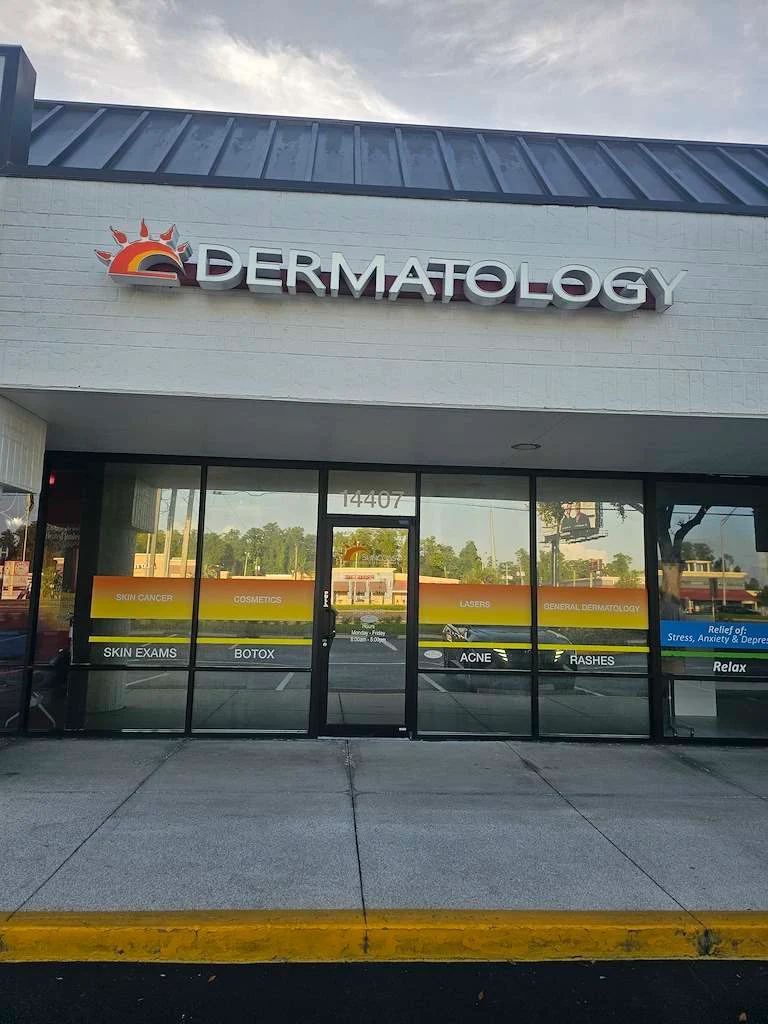


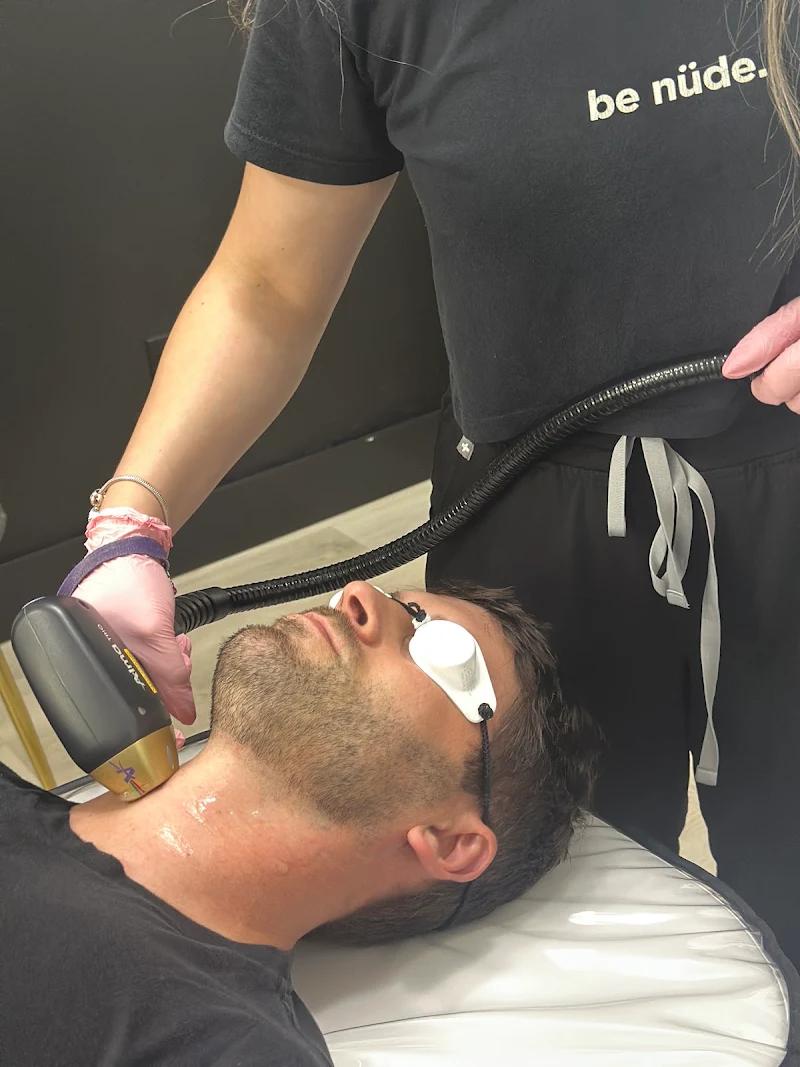


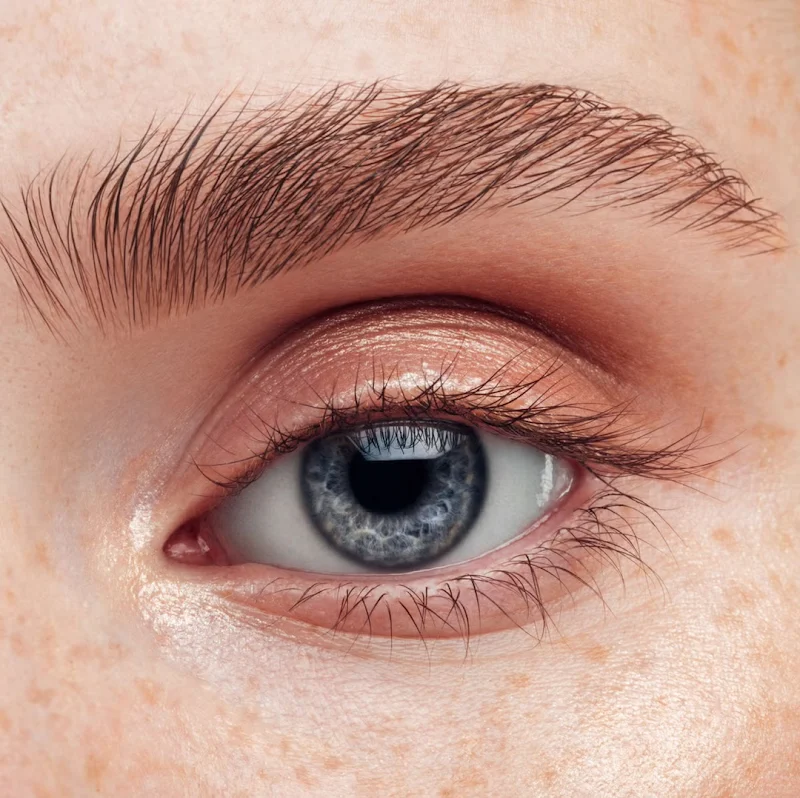
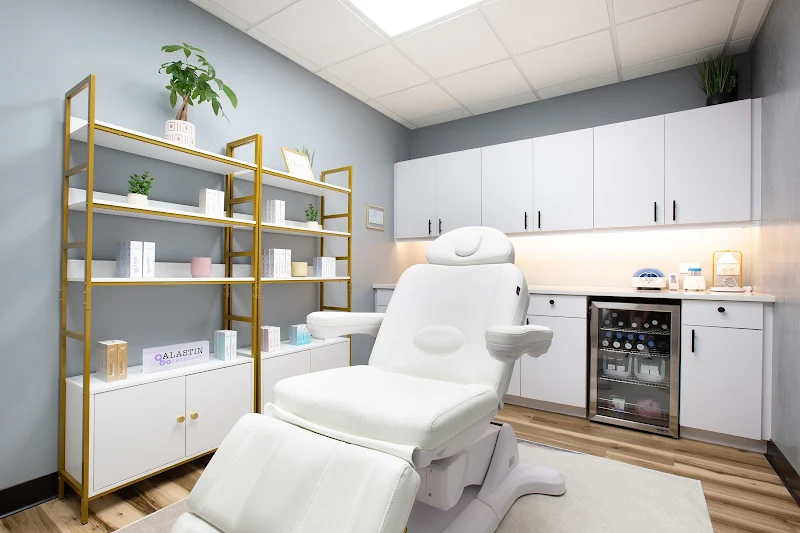



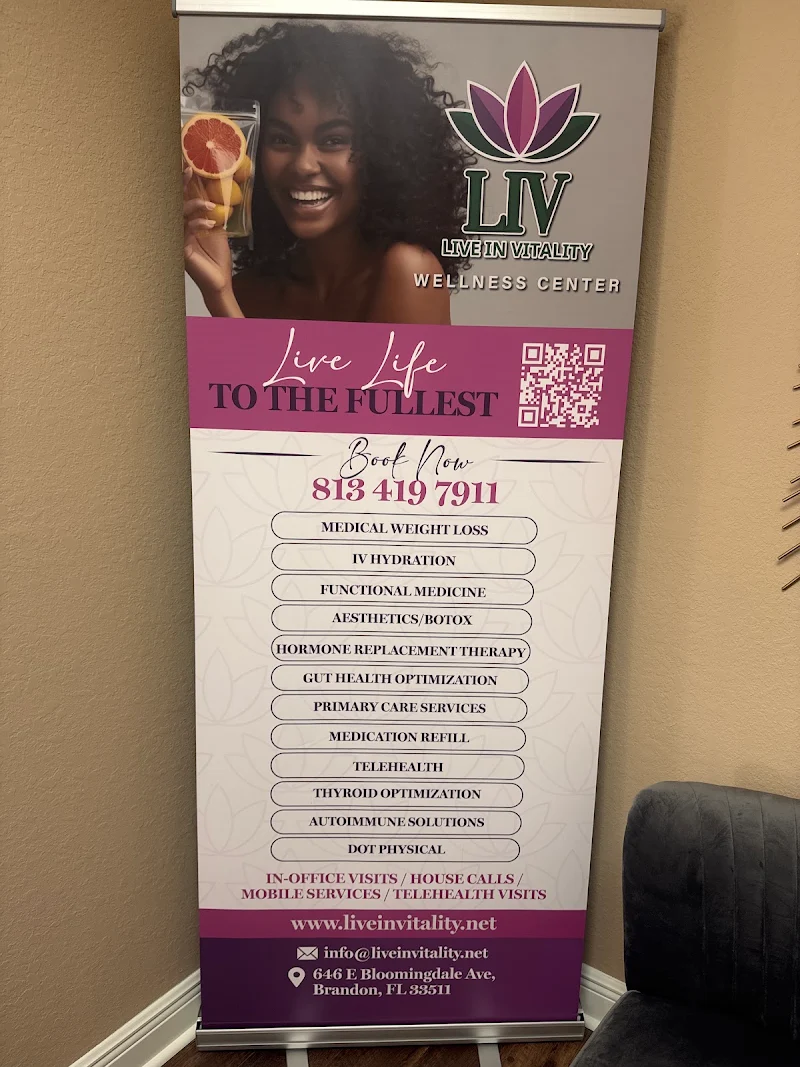
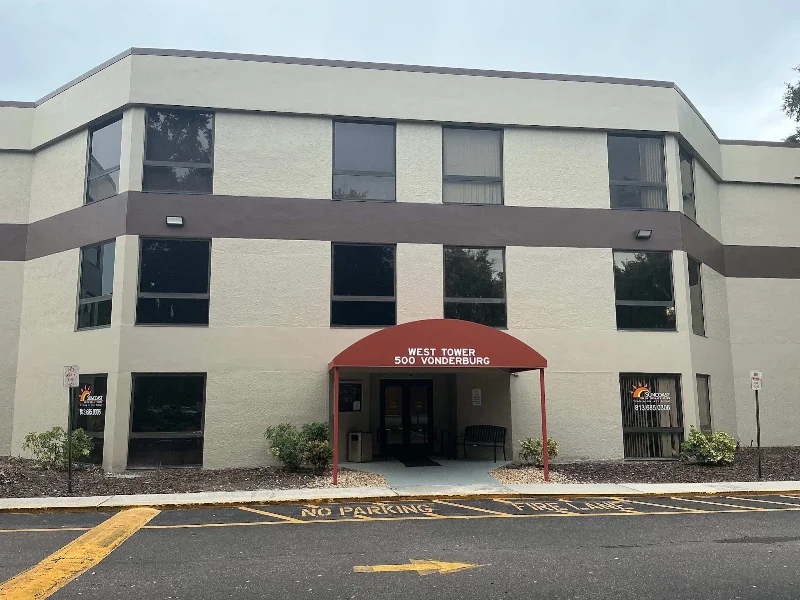
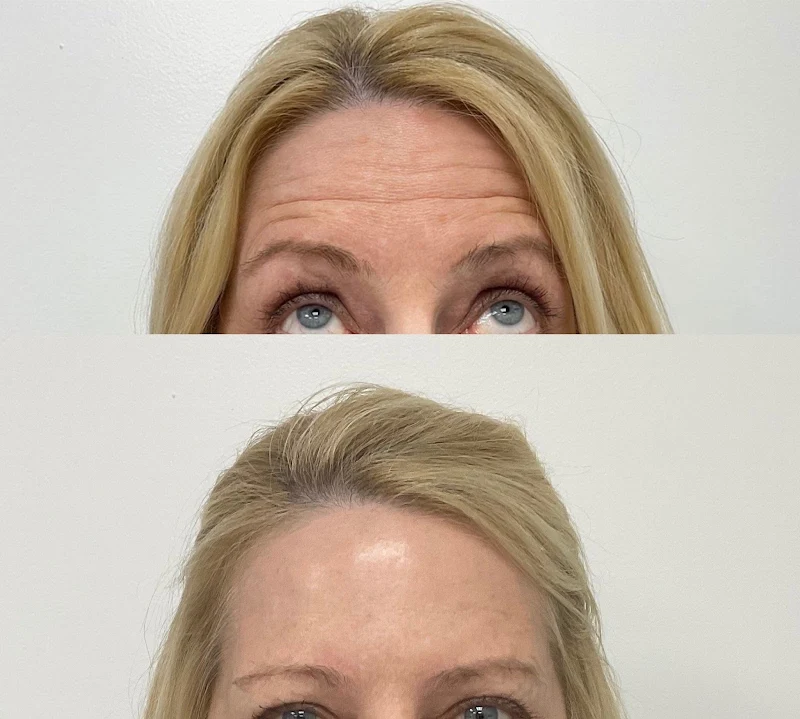







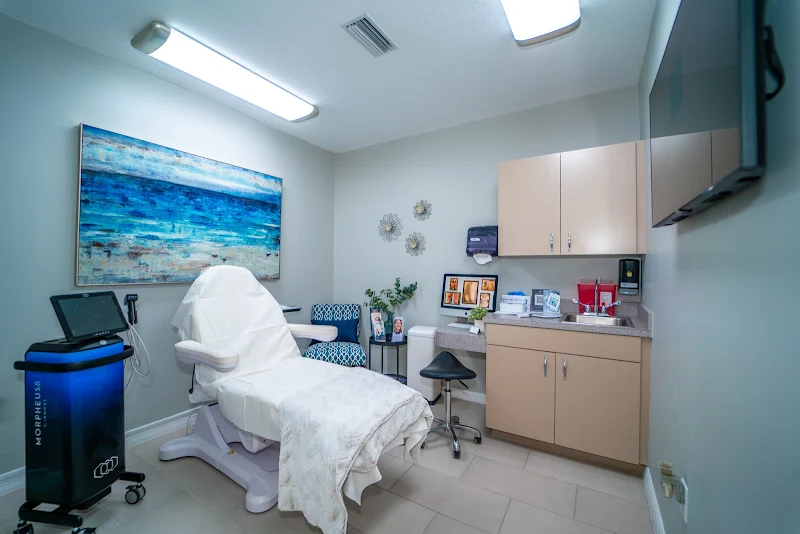



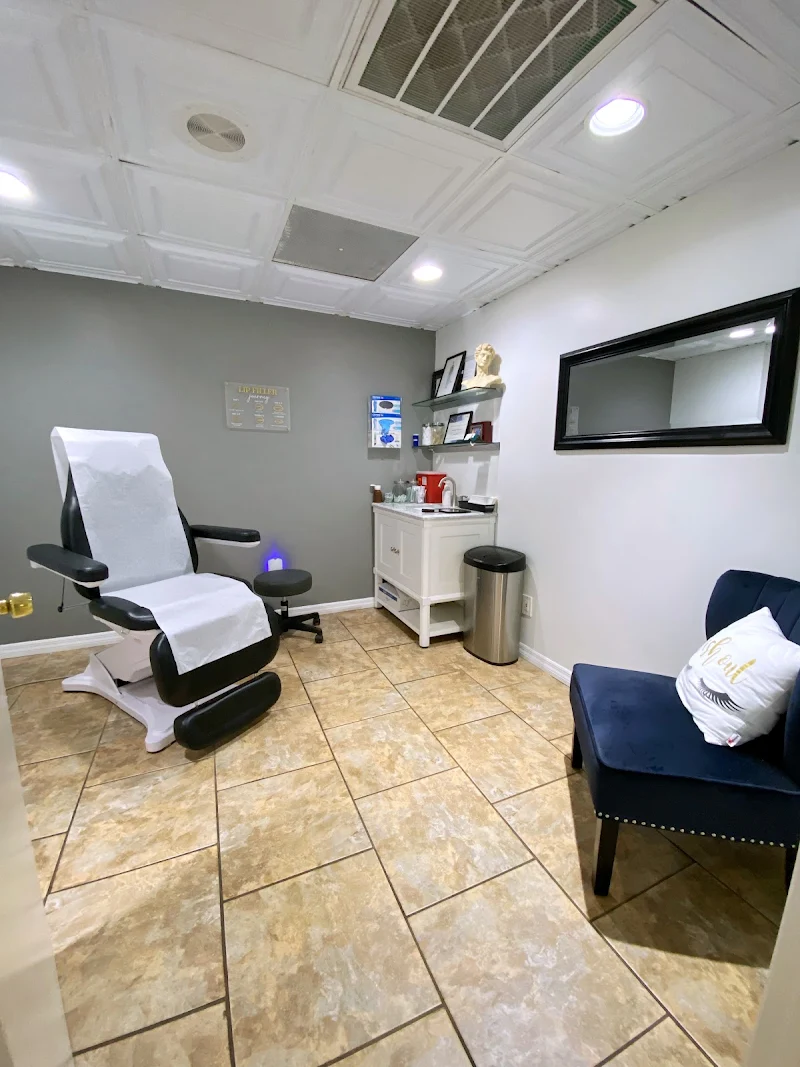
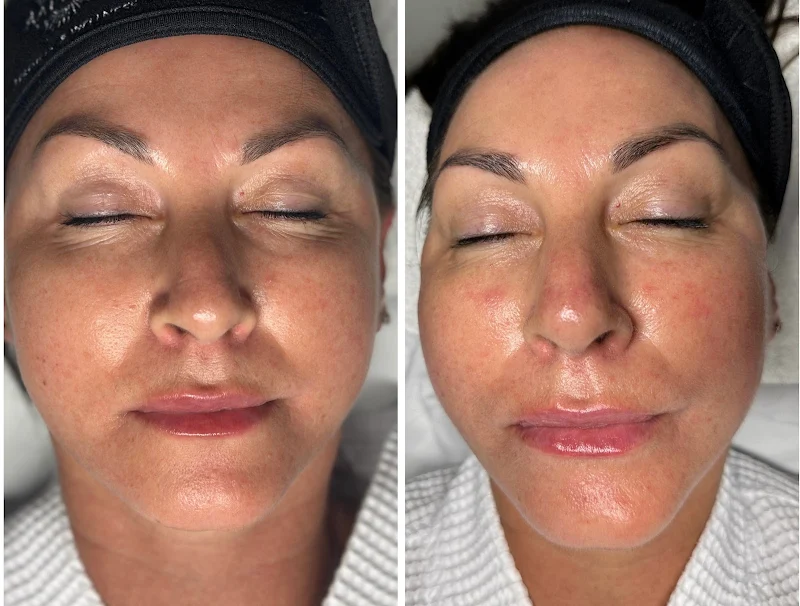
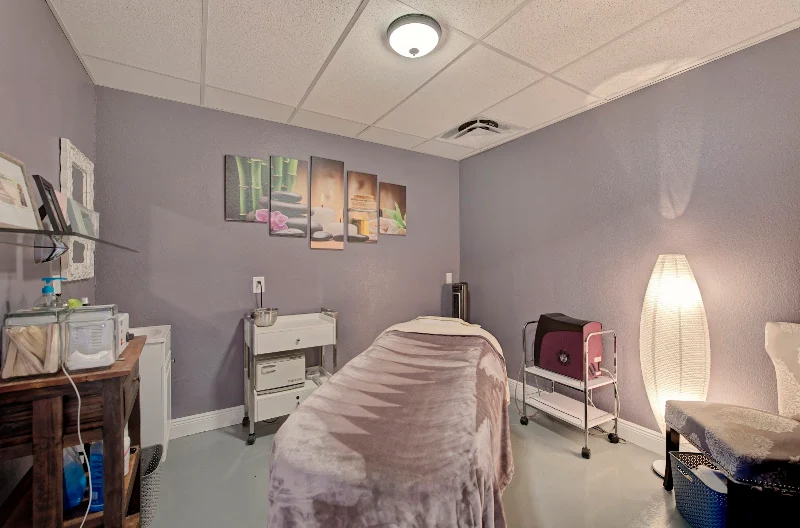













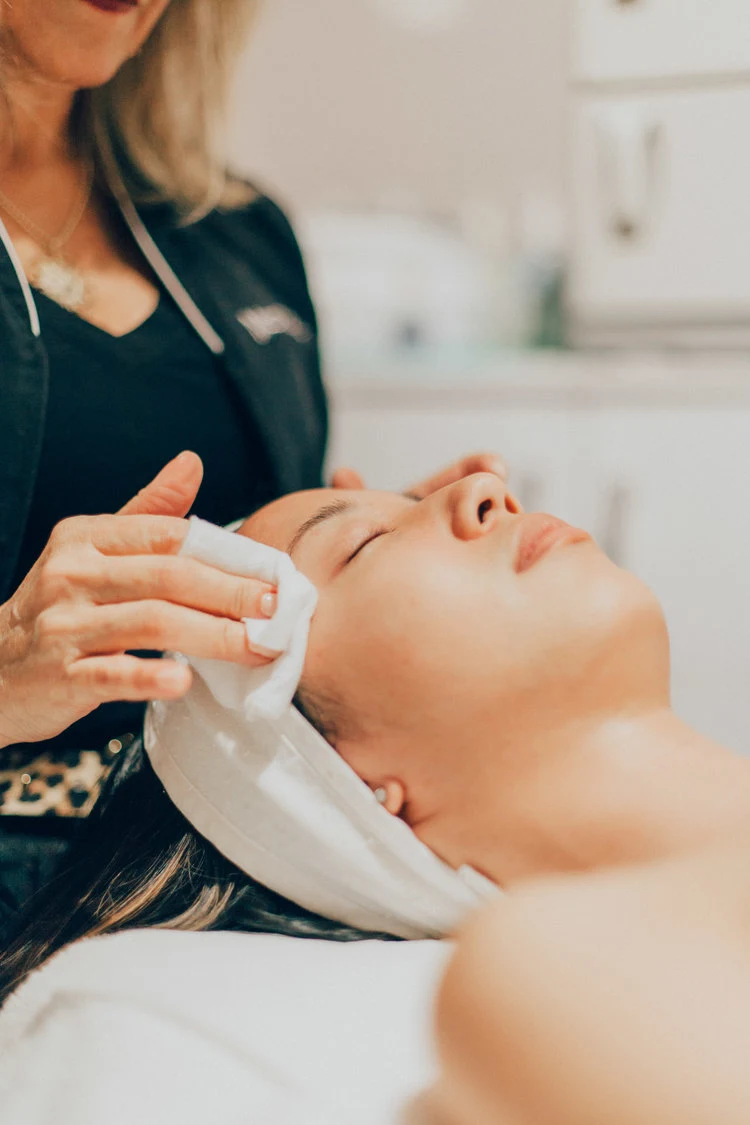


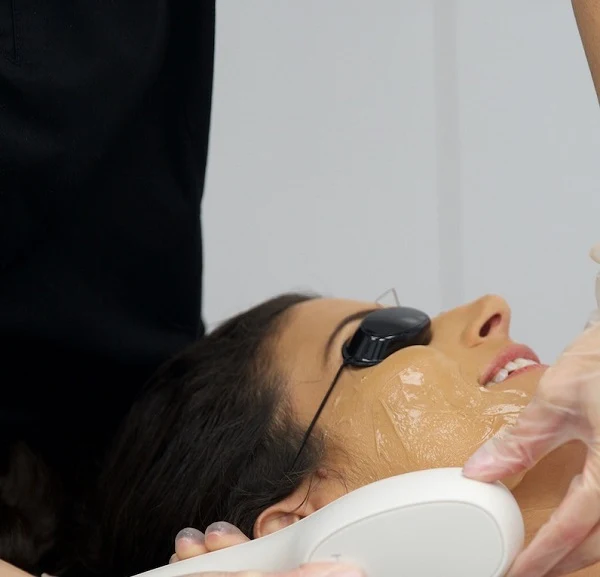
A skin care clinic concentrates on the skin itself — acne, pigmentation, sun damage, texture, sensitivity, and aging — rather than the broader menu of a full med spa. Treatment plans usually start with a skin analysis and combine in-clinic treatments (medical-grade facials, chemical peels, microneedling, LED, sometimes lasers) with a prescription-strength home regimen.
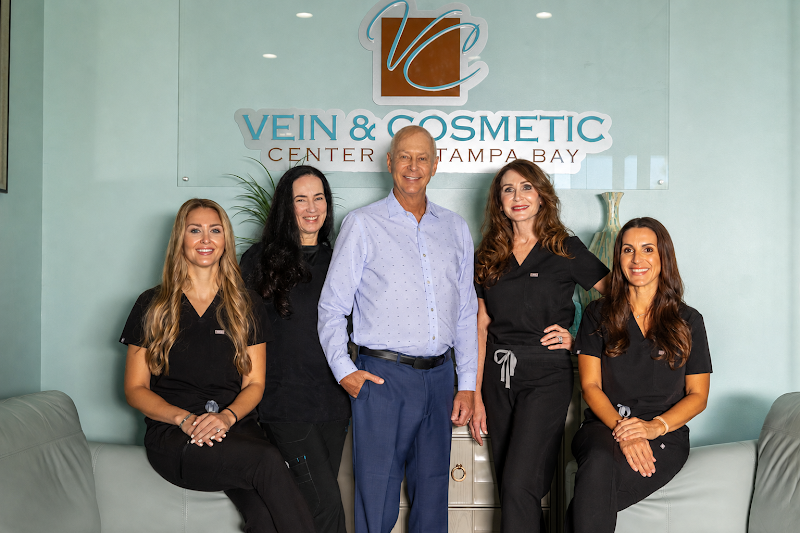
Many skin care clinics are run by estheticians working alongside a physician or nurse practitioner, which allows them to offer treatments a day spa cannot. Some are the skincare arm of a dermatology practice or med spa.
People with an ongoing skin concern who want a plan and consistency, not a one-off treatment. Acne and pigmentation in particular respond to a series of treatments plus the right home care.
A med spa's core services are injectables and devices; a skin care clinic's core is the skin regimen, with injectables as an add-on if a medical provider is on staff. If your main goal is Botox or filler, look for a med spa; if it's your skin's condition, a skin care clinic is often the better fit.
Who performs treatments and what their licenses are, whether a medical provider oversees the clinic, which product lines they use, and how progress is tracked.
Only if a licensed medical provider (physician, nurse practitioner, or physician assistant) works there under physician oversight. Estheticians cannot inject. Ask who performs injectables before booking.
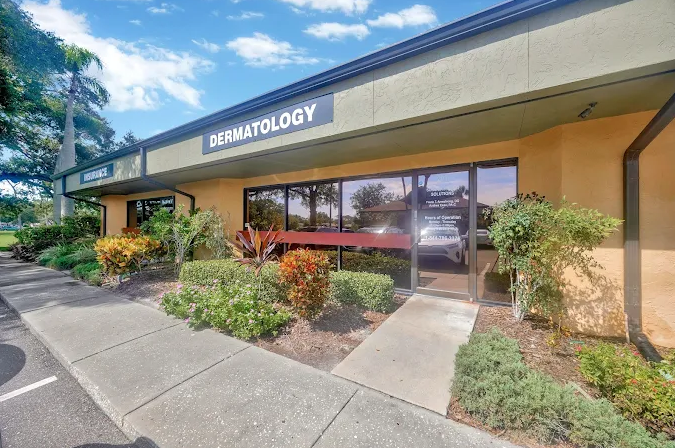
A dermatologist is a physician who diagnoses and treats skin disease. A skin care clinic focuses on cosmetic skin health and maintenance and cannot diagnose conditions like skin cancer.